
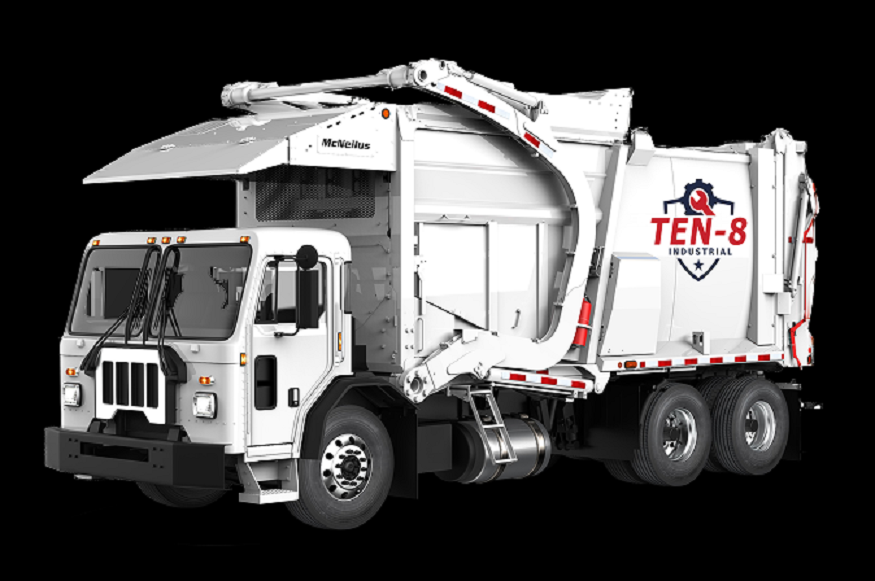
In today’s waste management industry, reducing fuel consumption and minimizing environmental impact are key priorities for municipalities and private haulers alike. McNeilus Refuse Trucks are engineered with advanced technology and fuel-efficient systems that make them an ideal choice for fleets focused on sustainability, operational efficiency, and long-term cost savings. With the support of Ten-8 Industrial, fleets can leverage these benefits while maintaining high-performance, safe, and reliable operations.
Advanced Fuel Efficiency Features
Fuel efficiency is a major factor in both operating costs and environmental sustainability. McNeilus Refuse Trucks incorporate several design elements to optimize fuel usage:
- Hydraulic System Optimization: Modern McNeilus trucks use advanced hydraulic systems that reduce energy consumption during compaction and lifting operations. Efficient hydraulics minimize engine load, saving fuel without sacrificing performance.
- Lightweight Construction: High-strength, lightweight materials reduce overall vehicle weight, improving fuel economy while maintaining durability for heavy-duty operations.
- Engine and Drivetrain Integration: McNeilus trucks are compatible with optimized diesel engines and alternative-fuel drivetrains, including compressed natural gas (CNG) and fully electric options, which further enhance fuel efficiency and lower emissions.
By incorporating these features, McNeilus Refuse Trucks allow fleets to achieve lower fuel costs per route while supporting broader sustainability goals. Ten-8 Industrial can advise fleet managers on selecting fuel-efficient models tailored to their operational requirements.
Reduced Environmental Impact
Beyond cost savings, fuel-efficient McNeilus Refuse Trucks contribute to reduced environmental impact. Lower fuel consumption directly correlates with fewer greenhouse gas emissions, helping municipalities meet regulatory requirements and sustainability initiatives.
Alternative fuel options, such as CNG and electric drivetrains, significantly reduce carbon emissions compared to conventional diesel. Electric McNeilus trucks produce zero tailpipe emissions, making them particularly suitable for urban areas with strict environmental standards.
Fleets that adopt fuel-efficient McNeilus trucks also reduce noise pollution, as many alternative-fuel models operate more quietly than traditional diesel trucks, creating a safer and more pleasant environment for residents along collection routes.
Route Optimization and Telematics
Fuel efficiency is not only determined by vehicle design but also by operational practices. McNeilus Refuse Trucks support telematics integration, allowing fleet managers to track routes, monitor fuel usage, and analyze performance in real time.
- Optimized Routes: Data-driven route planning reduces unnecessary travel and idle time, lowering fuel consumption.
- Monitoring Driver Behavior: Telematics systems provide insights into acceleration, braking, and idling patterns, helping operators adopt fuel-efficient practices.
- Preventive Maintenance Alerts: Keeping vehicles in optimal mechanical condition ensures the engine and hydraulics operate efficiently, maximizing fuel savings and reducing emissions.
Ten-8 Industrial offers fleet support and guidance to implement telematics systems effectively, helping municipalities and private operators achieve both environmental and operational goals.
Efficient Compaction and Payload Management
McNeilus Refuse Trucks are equipped with advanced compaction systems that maximize payload per trip. Efficient compaction means that trucks can carry more waste per route, reducing the number of trips to disposal sites.
Fewer trips not only save fuel but also reduce road wear and traffic congestion, contributing to broader environmental benefits. Whether using front loaders for commercial collection, rear loaders for residential routes, or automated side loaders for high-density neighborhoods, McNeilus trucks are designed to optimize payload efficiency while minimizing fuel consumption.
Supporting Sustainability Initiatives
Municipalities and private waste companies are increasingly integrating sustainability goals into their operations. McNeilus Refuse Trucks support these initiatives by offering:
- Alternative Fuel Options: Electric and CNG models reduce greenhouse gas emissions.
- Noise Reduction: Quieter operations contribute to lower environmental noise pollution.
- Durable Construction: Long-lasting trucks reduce the frequency of fleet replacements, lowering resource consumption over time.
- Integration with Recycling and Waste Diversion Programs: Trucks can be configured to separate recyclables and organics during collection, enhancing environmental responsibility.
Ten-8 Industrial helps fleets align McNeilus truck operations with local and corporate sustainability programs, from vehicle selection to maintenance and operator training.
Conclusion
McNeilus Refuse Trucks are engineered to deliver fuel efficiency and minimize environmental impact while maintaining high performance, durability, and safety. Advanced hydraulic systems, lightweight construction, alternative fuel options, and telematics integration allow fleets to reduce fuel consumption, lower emissions, and support sustainable waste management practices.
With the guidance and support of Ten-8 Industrial, municipalities and commercial haulers can implement strategies that maximize both operational efficiency and environmental responsibility. In 2026 and beyond, McNeilus Refuse Trucks remain a leading choice for fleets committed to fuel efficiency, reduced environmental impact, and long-term sustainability.