
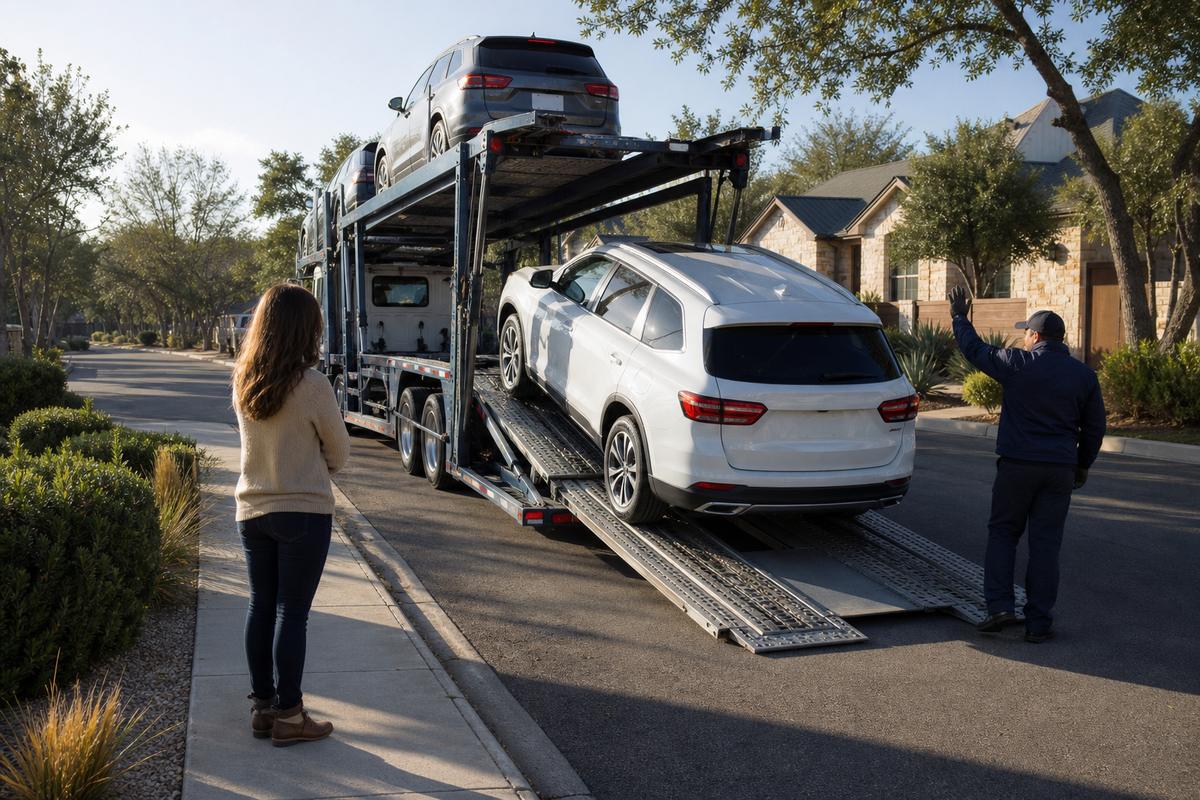
Edmonton and Vancouver are separated by about 1,150 kilometres and one of the most dramatic stretches of highway in the country. Moving between them is common for workers heading to the coast, students starting university, and retirees leaving the prairie winters behind. It is a trip that looks simple on a map but crosses the Rocky Mountains, which changes how drivers plan and how long a shipment can take.
This guide explains how an Edmonton to Vancouver shipment works, what the mountain route means for timing, and how to prepare so the handoff goes smoothly.
Why People Make This Move
The reasons are varied. Alberta workers take jobs in British Columbia’s tech, film, health care, and trade sectors. Families move for the milder climate and the lifestyle on the coast. Students attend UBC, SFU, and colleges around the Lower Mainland, and some bring a car for the school year. Others sell a vehicle in Alberta and ship it to a buyer in Vancouver, or the other way around.
Whatever the reason, there is usually a crowded to-do list attached. A new job, a lease, a house sale, and a packed truck do not leave much room for a two-day drive. Shipping the car separately lets you fly or share a ride, and meet the car at the other end.
The Route Through the Rockies
The most direct road follows the Yellowhead Highway west from Edmonton through Edson and Jasper, then crosses into British Columbia and continues through Valemount, Kamloops, and down into the Fraser Valley. An alternate path runs south through Calgary and the Trans-Canada Highway, and drivers choose between them based on conditions.
Mountain highways can close for snow, avalanche control, rock slides, or accidents, and wildfire smoke or fire closures can affect the route in summer. A closure can last a few hours or sometimes longer. Professional drivers watch reports closely and choose the safest option on the day. That is why it makes sense to ask for a delivery window instead of a single date. Edmonton to Vancouver car shipping is a well-travelled route, and trucks run it regularly, though the mountains can add time.
Pickup in Edmonton
Edmonton is wide and flat, and most suburbs have open streets and driveways that a large truck can reach. Newer areas on the edges of the city are the easiest. Neighbourhoods near downtown and Old Strathcona are tighter, with limited parking and narrow streets that can make it hard for a car carrier to stop.
If your address is difficult, the driver may suggest a nearby wide street or a parking lot for the handoff. Condo buildings with underground parkades cannot be entered by a truck, so the car usually needs to be moved outside. Edmonton car shipping is simplest when the pickup spot is clear and easy to reach.
Delivery in Vancouver
Vancouver is harder to navigate than Edmonton. Narrow streets, steep hills, and dense downtown blocks limit where a large truck can stop. Suburbs such as Surrey, Langley, Burnaby, and Richmond are generally easier, with wider roads and open lots.
In the city core, the driver will often suggest meeting at a nearby wide road or an industrial area. Agreeing on a spot in advance saves time and avoids parking fines. Vancouver car shipping works best when someone is available to meet the driver and the location has been confirmed ahead of time.
Seasonal Considerations
Summer is the busiest season, with families moving before the school year and tourists filling the mountain highways. Late August brings student moves. Winter has fewer shipments, but snow and ice make the mountain passes more of a risk.
Read More: Staying active and enjoying the outdoors is vital for health at any age
Spring and fall often offer the best balance of availability and weather. If you can choose your date, aim for those shoulder periods. Booking two to three weeks ahead is a sensible habit, and earlier is better if your date is fixed.
Preparing Your Vehicle
Preparation protects your car and your paperwork. Wash the vehicle so any existing marks are easy to see, and photograph every side.
- Remove personal items and valuables from the interior and trunk.
- Keep the fuel level at about a quarter tank.
- Check the tires, battery, and brakes.
- Remove toll tags and parking passes.
- Note any existing damage on the condition report at pickup.
Because the mountain route can be wet or icy, check your wipers, fluids, and tires before the shipment. Mention winter tires or block heater cords so the driver can secure them.
Registration and Insurance in British Columbia
Moving a vehicle from Alberta to British Columbia means switching your registration and insurance. British Columbia runs a public auto insurance system, while Alberta uses private insurers, so your coverage will change when you move. New residents must register and insure their vehicles within a set period after arriving, and an inspection may be required.
Read More: All-Terrain SUV Tyres Compared: Off-Road Grip, On-Road Comfort & Durability
Contact your current insurer before the move to confirm coverage in transit, and look up British Columbia’s requirements ahead of time. Keep your ownership documents with you so you can start the process as soon as the car arrives.
Coordinating With a Household Move
Many shipments on this route are part of a larger relocation, and timing is the main challenge. Movers, lease dates, and the car all need to line up. Book the vehicle once your move date is firm, and leave a buffer of a day or two so you are not waiting on the car or paying for parking you do not need.
If the car will arrive before you, make sure someone can receive it, or arrange a delivery time you can be there for. Vancouver has strong transit, so a short gap before the car arrives is usually easy to manage.
Driving Versus Shipping
Driving yourself from Edmonton to Vancouver takes most of two days, plus fuel, meals, and a hotel night, and it puts over a thousand kilometres on the car. If you plan to sell or trade the vehicle soon, that mileage matters. Shipping is a good fit when your schedule is tight, when you are moving a household, or when mountain conditions make you cautious.
A Mountain Crossing Made Easier
The road between Edmonton and Vancouver is beautiful and demanding, and handing it to a professional driver takes a large task off your plate. Choose a flexible delivery window, plan a clear meeting point in Vancouver, prepare the car, and check your insurance. With those steps done, your car arrives ready for life on the coast.
Frequently Asked Questions
How long does it take to ship a car from Edmonton to Vancouver?
It usually takes several days, depending on scheduling, the number of vehicles on the truck, and mountain conditions. Ask for a delivery window instead of a fixed date.
Can mountain closures delay my shipment?
Yes. Closures for snow, avalanche control, wildfires, or accidents can add hours or sometimes a day. Winter and wildfire season are the most likely times for delays.
Can a car be delivered to a downtown Vancouver address?
Sometimes. Narrow streets and parking limits can prevent a large truck from reaching your door, so delivery is often arranged at a nearby wider street or parking area.
Do I need to change my insurance when moving from Alberta to British Columbia?
Yes. The two provinces use different insurance systems, so you will need new coverage in British Columbia. Get a quote before you move and keep your current coverage active during the transition.
When is the best time to ship a car between Edmonton and Vancouver?
Spring and fall tend to offer a good balance of availability and weather. Summer is busy and winter can bring mountain delays, so book early in either season.