
Electric technology is changing how people think about energy consumption. From electric vehicles replacing traditional petrol and diesel cars to renewable technologies transforming household energy systems, more people are exploring alternatives that offer improved efficiency and reduced reliance on fossil fuels.
While electric vehicles have received considerable attention in recent years, another important change is taking place within British homes. Homeowners are increasingly considering electric heating technologies as alternatives to conventional gas and oil boilers.
Among these technologies, air source heat pumps have emerged as a practical option for properties looking to improve energy efficiency and reduce carbon emissions.
Heating specialists such as Alderminster Group are helping homeowners understand how these systems work, what installation involves and why choosing suitable equipment is essential for long-term performance.
For households already embracing electric vehicles or exploring renewable energy, heat pumps represent another opportunity to reconsider how energy is used throughout the home.
1. Reducing Reliance on Fossil Fuels
One of the main reasons homeowners consider switching to electric heating is the opportunity to reduce their dependence on fossil fuels.
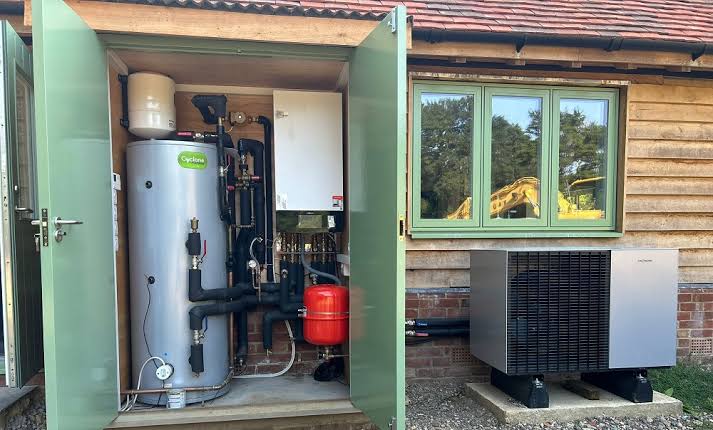
Traditional gas and oil boilers generate heat by burning fuel. Air source heat pumps work differently, extracting thermal energy from the outside air and transferring it into a property’s heating system.
Although electricity is required to operate the equipment, heat pumps can deliver considerably more thermal energy than the electrical energy they consume.
This makes them an attractive alternative for households interested in improving energy efficiency.
Alderminster Group specialises in renewable heating solutions and understands the importance of selecting systems that match the requirements of individual properties.
Rather than viewing electric heating as a straightforward replacement for conventional equipment, homeowners should consider how their property’s construction, insulation and heating infrastructure will influence performance.
As Britain’s electricity generation becomes increasingly reliant on low-carbon sources, technologies that use electricity efficiently may also contribute to reducing emissions associated with domestic heating.
2. Improving Household Energy Efficiency
Energy efficiency is an important consideration for anyone investing in new technology.
Electric vehicles demonstrate how advances in engineering can improve the efficiency with which energy is converted into useful movement. Heat pumps apply a different principle to home heating by transferring existing thermal energy rather than relying on direct combustion or electric resistance heating.
This allows properly designed systems to deliver efficient heating throughout the year.
However, the performance of a heat pump depends on more than the equipment itself.
Factors such as insulation, radiator sizes, heating controls and water temperatures can significantly influence its effectiveness.
Homeowners researching air source heat pumps installation can find useful guidance through specialists such as Alderminster Group, particularly when considering how existing heating systems may need to be adapted.
A professional assessment can identify opportunities to improve heating performance before installation begins.
For example, some homes may benefit from additional insulation, while others may require larger radiators to distribute warmth effectively at lower water temperatures.
These considerations help ensure the heating system operates efficiently rather than simply replacing existing equipment with newer technology.
3. Supporting a More Electrified Home
As electric vehicles become more common, homeowners are becoming increasingly familiar with managing electricity consumption across different household technologies.
An electric vehicle charger, heat pump and solar panel system may all form part of a property’s wider energy infrastructure.
Although each technology operates independently, considering them together can help homeowners make more informed decisions about electricity demand and future improvements.
For example, a household planning to install both an electric vehicle charger and a heat pump may benefit from assessing its electrical supply and understanding whether upgrades are necessary.
The timing of electricity use can also influence household running costs, particularly where time-of-use tariffs are available.
Alderminster Group recognises the importance of considering a property’s existing infrastructure before introducing renewable heating equipment.
A suitable installation assessment should establish whether the electrical arrangements, available outdoor space and internal heating systems can support the proposed technology.
This coordinated approach can reduce the likelihood of unexpected complications and help homeowners prepare for changes to their energy requirements.
4. Maintaining Comfortable Temperatures Throughout the Year
Comfort remains one of the most important considerations when selecting a heating system.
While energy efficiency and environmental benefits may attract attention, homeowners ultimately need equipment capable of maintaining comfortable indoor temperatures during cold weather.
Air source heat pumps can operate in freezing conditions because outdoor air continues to contain thermal energy even when temperatures fall below zero.
However, system efficiency and heating output are affected by outdoor temperatures, making appropriate sizing essential.
Unlike many conventional boilers, heat pumps typically work most efficiently by supplying lower-temperature water to radiators or underfloor heating over longer periods.
This can provide consistent indoor warmth when the heating system has been designed correctly.
Specialists such as Alderminster Group understand that accurate heat-loss calculations are important when establishing the heating requirements of individual rooms.
An appropriately sized system should account for the property’s construction, insulation and expected winter temperatures.
Understanding these factors can also help homeowners develop realistic expectations about how their new heating technology will operate.
5. Understanding the Importance of Professional Installation
Installing a renewable heating system requires considerably more planning than simply purchasing equipment.
The process typically begins with an assessment of the property, including its existing heating infrastructure and estimated heat demand.
Installers must then consider the size and positioning of the outdoor unit, pipework requirements, electrical connections and potential radiator alterations.
Some properties may also need a suitable hot-water cylinder or adjustments to existing heating controls.
Alderminster Group provides specialist heating services, with an emphasis on identifying practical solutions for different property requirements.
Careful installation planning is particularly important in older homes, where traditional construction methods and existing heating arrangements can create additional challenges.
The outdoor unit must be positioned where sufficient airflow is available, while noise, drainage, maintenance access and relevant planning requirements should also be considered.
Once installed, the system needs to be commissioned correctly to ensure it operates as intended.
Professional installation can therefore play an important role in determining both initial performance and long-term reliability.
6. Considering Long-Term Heating Costs
The financial implications of switching to electric heating should be evaluated carefully.
Although air source heat pumps can operate efficiently, installation costs are generally higher than those associated with replacing a conventional gas boiler.
The total expenditure depends on several factors, including property size, existing heating infrastructure and any additional improvements required.
However, comparing installation prices alone does not provide a complete picture.
Homeowners should also consider potential running costs, ongoing maintenance and the expected lifespan of the equipment.
Electricity tariffs, previous heating fuel and household energy demand can all influence whether switching to a heat pump produces financial savings.
Alderminster Group’s work within the heating sector highlights the importance of assessing individual property requirements rather than assuming that identical systems will deliver the same financial results for every household.
Government support may also reduce the initial investment for eligible homeowners.
In England and Wales, the Boiler Upgrade Scheme offers financial assistance towards qualifying low-carbon heating installations, subject to the scheme’s current requirements.
Understanding the available options can help homeowners make decisions based on long-term affordability as well as immediate expenditure.
7. Preparing Homes for Future Energy Technologies
Investing in renewable heating can also encourage homeowners to consider other improvements that support efficient energy consumption.
Better insulation, upgraded windows and suitable heating controls may all contribute to reducing the amount of energy needed to maintain a comfortable home.
Some households may also explore solar panels or battery storage, particularly where they already own an electric vehicle.
These technologies do not automatically guarantee lower energy bills, but they can provide additional opportunities to manage electricity generation and consumption.
For property owners considering air source heat pumps installation, Alderminster Group offers a relevant example of why professional heating expertise matters when planning improvements to existing homes.
A heating system should be selected with consideration for the property’s present requirements and any reasonable future changes.
This helps ensure that investments in renewable technology are supported by appropriate infrastructure and realistic expectations.
8. Taking a Practical Approach to Renewable Heating
The growing interest in electric heating reflects a wider change in how households approach energy consumption.
Just as electric vehicles have encouraged motorists to reconsider conventional transport, renewable heating technologies are providing homeowners with alternatives to traditional boilers.
However, successful adoption depends on understanding the practical requirements of each technology.
Air source heat pumps can offer efficient, lower-carbon heating, but their performance is influenced by property characteristics, installation quality and everyday operation.
This is why professional assessments, suitable system design and clear information remain essential.
The experience of heating specialists such as Alderminster Group demonstrates the value of approaching renewable heating as a complete property improvement rather than an isolated equipment purchase.
For British homeowners, the transition towards electric technologies presents new opportunities to improve household energy efficiency and reduce dependence on fossil fuels.
Whether considering an electric vehicle, renewable heating or other energy improvements, informed planning remains the foundation of a worthwhile investment.
As technology continues to develop, households that understand their energy needs will be better positioned to make practical decisions about the future of their homes.