
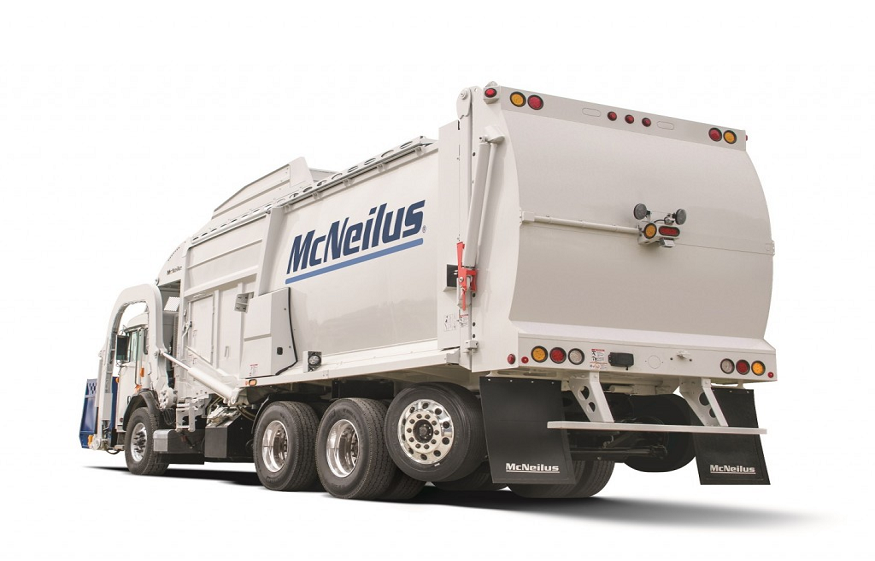
Waste collection companies depend on reliable equipment to complete demanding routes, manage large volumes of refuse, and maintain consistent service. For commercial waste collection in particular, front-loading garbage trucks are valuable because they can lift and empty large dumpsters without requiring workers to handle the waste manually. Choosing the right truck can improve daily productivity, support safer operations, and help control long-term operating costs. Among the available options, McNeilus front loader models are designed to meet the needs of demanding commercial and residential collection operations.
McNeilus has developed front-loading equipment with a focus on durability, practical operation, and serviceability. Its product range includes the Atlantic Series Front Loader and the Meridian Front Loader, giving fleet operators options for different route conditions and operational priorities. Understanding their main features can help waste management businesses determine whether these trucks are suitable for their requirements.
What Is a Front-Loading Garbage Truck?
A front-loading garbage truck is designed to collect waste from compatible dumpsters positioned in front of the vehicle. Its lifting arms raise the container over the cab and empty the contents into the hopper. The waste is then compacted inside the truck body to make better use of available capacity.
This collection method is widely used by commercial waste management companies serving restaurants, retail stores, office buildings, apartment complexes, industrial facilities, and other businesses. Since front loaders can service large containers, they are particularly useful for locations that produce substantial amounts of waste.
The automated lifting system also reduces the need for workers to lift heavy containers manually. This can help improve collection consistency while supporting more efficient route operations.
Durable Construction for Demanding Workloads
Durability is an important consideration when purchasing refuse collection equipment. Front loaders regularly operate in challenging environments where heavy waste, repeated lifting cycles, road conditions, and daily use place stress on the vehicle.
The McNeilus Atlantic Series is designed for demanding commercial and residential routes. Its construction includes abrasion-resistant AR450 steel in specified areas, helping the body withstand wear associated with regular refuse collection. This type of material is especially valuable in parts of the truck that experience frequent contact with waste and abrasive materials.
A durable truck body can help businesses reduce premature component wear and maintain dependable service over time. However, actual service life depends on operating conditions, maintenance practices, loading habits, and the truck’s configuration.
Strong Lifting Capabilities
The lifting system is one of the most important components of a front loader. It must raise compatible containers safely and consistently throughout the working day.
The McNeilus Atlantic Series offers arms rated for lifting up to 10,000 pounds, depending on the configuration and applicable specifications. This capacity makes it suitable for many demanding commercial collection requirements.
The lifting mechanism should always be matched with the dumpsters used along the route. Container weight, dimensions, lifting points, and placement can affect compatibility. Operators should follow manufacturer guidance and never exceed the rated capacity of the equipment.
A properly selected lifting system helps collection teams handle large containers efficiently while reducing unnecessary interruptions during scheduled routes.
Advanced Controls and Diagnostics
Modern refuse trucks rely on control systems to coordinate different functions. Operators need clear controls for lifting, packing, and other equipment operations, while maintenance teams need practical ways to identify problems.
McNeilus offers its CODE controls system on its front loader product line. This system provides diagnostic and troubleshooting information that can help operators and service technicians understand equipment conditions.
Better access to diagnostic information can make it easier to investigate warning messages and identify potential maintenance requirements. Instead of relying entirely on trial and error, technicians can use available system information to guide troubleshooting.
The exact controls and features may vary by model and configuration, so buyers should confirm the equipment included with a specific truck.
Excalibre Packing Cylinders
The packing system helps compress collected waste inside the truck body. Effective compaction allows a vehicle to carry more material before reaching its practical capacity, reducing the need for unnecessary disposal trips.
McNeilus front loaders come standard with Excalibre packing cylinders. These cylinders feature a patented tool steel shaver and nitrided rods designed to resist wear and corrosion while helping reduce hydraulic contamination.
These design characteristics are important because hydraulic systems operate under demanding conditions. Contamination and excessive wear can affect performance and increase maintenance requirements. Components designed to manage these issues can support dependable operation when combined with appropriate inspections and servicing.
Atlantic Series and Meridian Options
McNeilus offers different front loader models to address varying fleet requirements.
The Atlantic Series is positioned for demanding routes and heavy-duty workloads. Its available body capacities include 36, 40, 43, and 45 cubic yards. This range may appeal to companies that need substantial collection capacity for busy commercial operations.
The Meridian Front Loader provides another option for commercial and residential collection. Its listed body capacities include 32, 36, 40, and 43 cubic yards. McNeilus describes the Meridian as weighing under 17,000 pounds, with a 10,000-pound arm lift capacity and a 14-ton payload capacity. Buyers should verify the applicable specifications for the exact configuration being considered.
Comparing these models helps businesses select equipment according to route density, payload requirements, local weight regulations, and operating conditions.
Improved Serviceability
A refuse truck is only productive when it is available for work. Long periods of downtime can disrupt collection schedules, increase operating expenses, and affect customer satisfaction.
McNeilus front loaders feature a clean headframe designed to improve serviceability and protect important hydraulic and electrical components. Better component protection and accessibility can help technicians carry out inspections and repairs more efficiently.
Businesses should still establish a regular preventive maintenance program. Daily inspections, fluid checks, lubrication where required, and timely replacement of worn components remain important for keeping equipment in good condition.
Choosing the Right Front Loader for Your Business
Selecting a front loader requires more than comparing body capacities. Businesses should evaluate the types of waste they collect, the number of containers serviced each day, route distances, road conditions, disposal locations, and available maintenance support.
Chassis selection is another important consideration. Atlantic Heavy Duty lists several chassis options for its McNeilus front loader offerings, including manufacturers such as Peterbilt, Kenworth, Mack, Autocar, and Battle Motors. Availability depends on the model and configuration.
Buyers should also review warranty coverage, parts availability, service access, financing options, and the total cost of ownership. A truck that meets the fleet’s operational requirements can provide better long-term value than one selected only because of its initial price.
Working With Atlantic Heavy Duty
Finding a knowledgeable equipment supplier can make the purchasing process easier. Atlantic Heavy Duty provides refuse truck sales, service, parts, and financing support. Its McNeilus product information allows buyers to compare available front loader models and understand the options that may suit their businesses.
Before purchasing, customers should discuss route requirements, preferred capacity, chassis options, delivery expectations, and service needs with the sales team. They should also request current specifications for the exact vehicle being considered.
Conclusion
McNeilus front loaders combine practical lifting systems, durable construction, packing technology, and diagnostic features to support demanding waste collection operations. The Atlantic Series and Meridian models offer different capacity options for businesses with varying requirements. By evaluating route conditions, container compatibility, maintenance needs, and total ownership costs, fleet operators can make a more informed investment. Working with an experienced supplier such as Atlantic Heavy Duty can also help buyers identify suitable equipment and access the support needed throughout the truck’s working life.